Plush Toys vs Stuffed Animals Differences
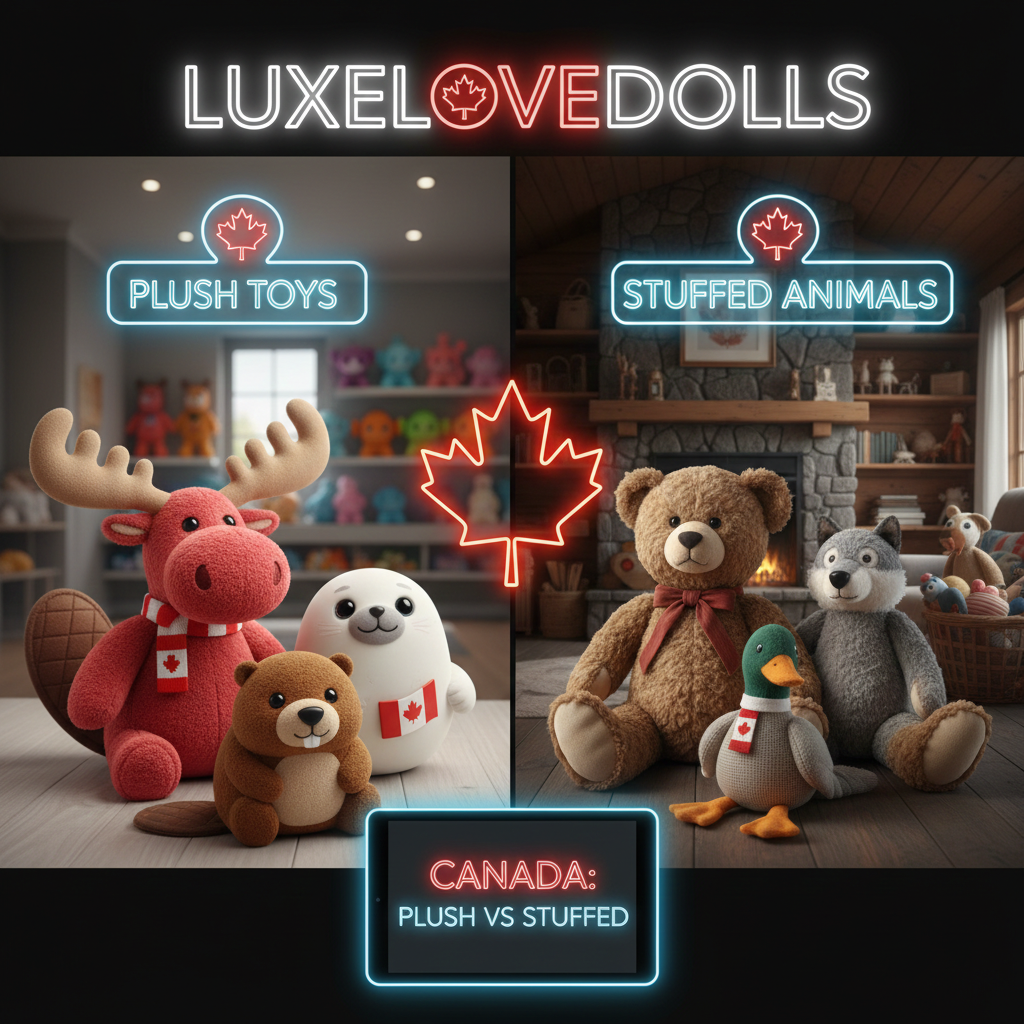
When shopping in Canada, many buyers use the terms “plush toys” and “stuffed animals” interchangeably. While they are closely related, there are subtle differences in meaning, design focus, and marketing usage.
Understanding plush toys vs stuffed animals differences helps Canadian shoppers choose the right option for gifting, decor, toddlers, or collectors.
What Are Plush Toys
A plush toy refers broadly to any soft toy made with plush fabric and filled with stuffing. The key defining feature is the material, not necessarily the shape.
Plush fabric is a soft textile with a deep pile that gives toys their smooth, fuzzy feel.
https://en.wikipedia.org/wiki/Plush
Plush toys can include:
- Teddy bears
- Animal characters
- Cartoon-inspired toys
- Fantasy creatures
- Decorative plush figures
In short, “plush toy” describes the construction and material rather than the specific type of character.
What Are Stuffed Animals
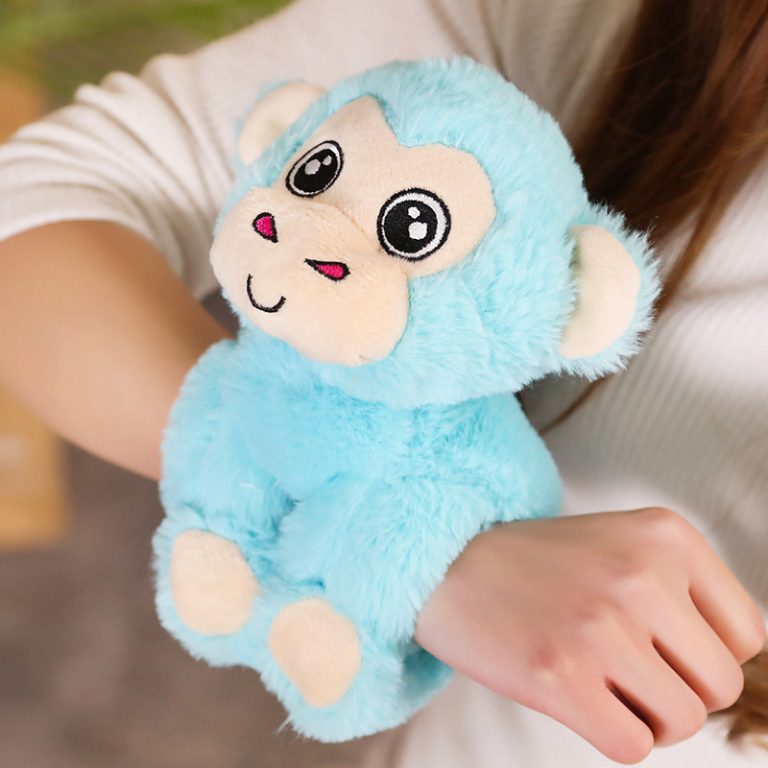
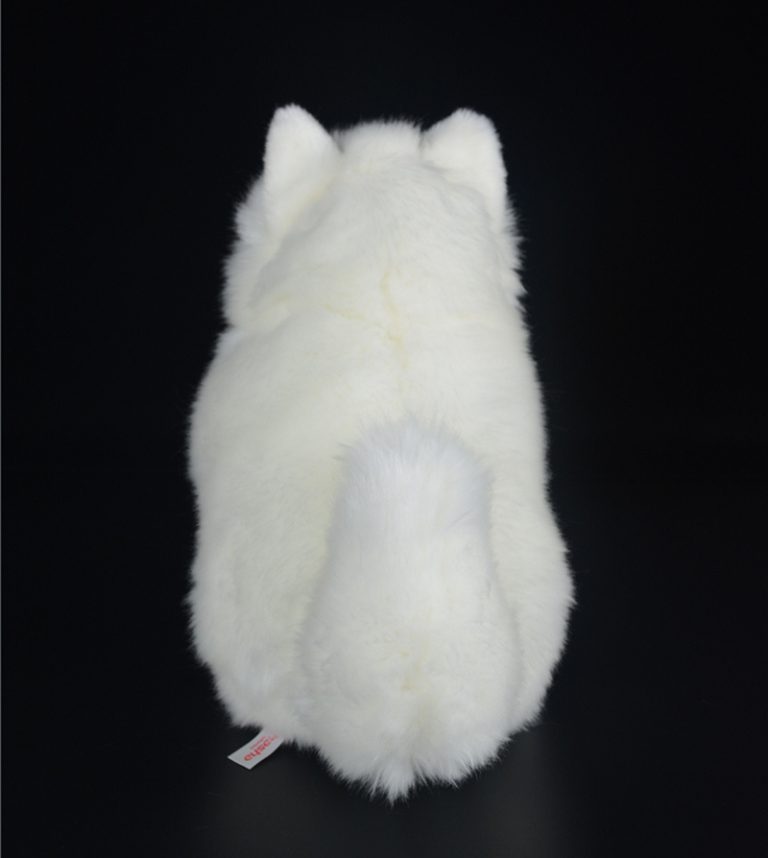
A stuffed animal is a specific category of plush toy designed to resemble real animals. The emphasis is on animal shape and realism rather than fabric terminology.
Stuffed animals include:
- Bears
- Dogs and cats
- Bunnies
- Farm animals
- Wildlife animals
Stuffed animals fall under the broader category of plush toys, but not all plush toys are stuffed animals.
Background on stuffed toys
https://en.wikipedia.org/wiki/Stuffed_toy
Key Difference 1, Terminology and Usage
The primary difference lies in how the terms are used.
- Plush toy is a broader term referring to soft, fabric-based toys of any character or design.
- Stuffed animal refers specifically to plush toys shaped like animals.
For example:
- A plush unicorn is a plush toy and also a stuffed animal.
- A plush cartoon character is a plush toy but not necessarily a stuffed animal.
In Canada, online retailers often use “plush toys” for broader SEO coverage and “stuffed animals” for traditional searches.
Key Difference 2, Design Focus
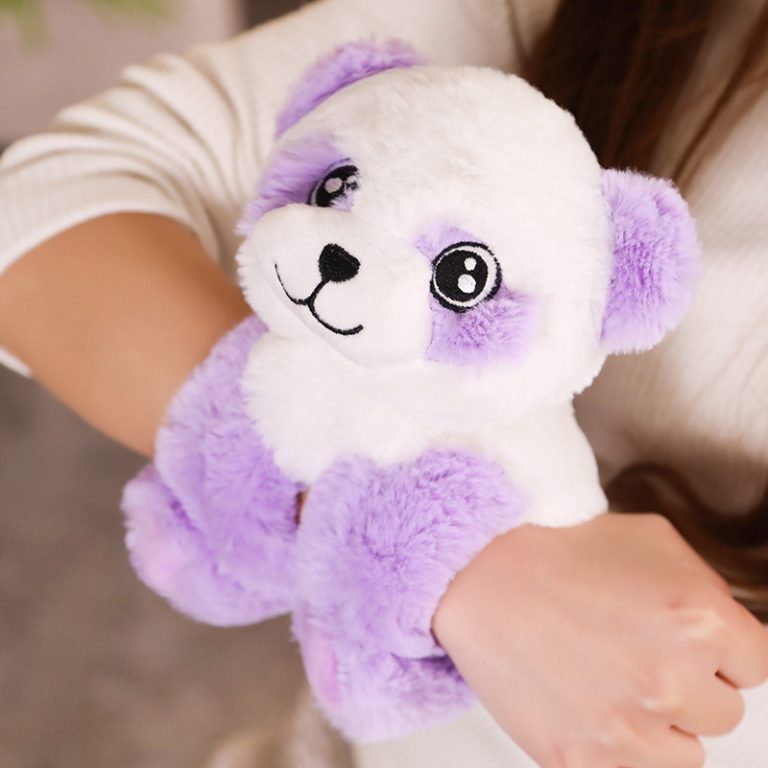
Plush toys can range from realistic animals to stylized or decorative designs. Some plush toys focus on aesthetic trends such as kawaii styling, minimalist decor, or oversized statement pieces.
Stuffed animals typically aim for:
- Recognizable animal features
- Familiar proportions
- Soft, comforting shapes
The design intention is slightly different even though both feel similar to the touch.
Key Difference 3, Gifting Perception
There is also a subtle psychological difference in gifting language.
- “Stuffed animal” feels traditional and child-oriented.
- “Plush toy” can feel broader, more modern, and suitable for teens or adults.
For romantic gifting or oversized statement pieces, Canadians often search for “giant teddy bear” rather than “giant stuffed animal.”
Oversized teddy bears have become popular gift symbols.
https://en.wikipedia.org/wiki/Teddy_bear
Key Difference 4, Size and Market Trends
Both plush toys and stuffed animals come in small, medium, and giant sizes. However, the term “plush toy” is more commonly used in trendy or decorative categories.
Trending plush categories in Canada include:
- Giant plush bears
- Pastel aesthetic plush
- Minimalist neutral plush animals
- Eco-friendly plush toys
Stuffed animals tend to remain timeless and traditional, especially for babies and toddlers.
Material and Construction, Similarities
In terms of construction, plush toys and stuffed animals are essentially the same. Both use:
- Soft plush fabric
- Polyester or cotton stuffing
- Reinforced stitching
- Embroidered or plastic facial details
Quality matters regardless of terminology. Dense plush fabric and secure seams ensure the toy lasts longer and maintains shape.
Plush Toys vs Stuffed Animals for Toddlers
For toddlers, safety is more important than terminology. Whether labeled as plush toys or stuffed animals, parents should look for:
- Embroidered facial features
- No detachable small parts
- Hypoallergenic stuffing
- Medium size for safe handling
Toy safety considerations apply to both categories equally.
https://en.wikipedia.org/wiki/Toy_safety
Plush Toys vs Stuffed Animals for Decor
In home decor settings, the term “plush toy” is often used for aesthetic pieces. Oversized plush animals placed in bedrooms or reading corners serve as both comfort objects and decorative elements.
Stuffed animals, especially teddy bears, are also widely used as decor accents in nurseries.
Comfort objects provide emotional grounding and familiarity.
https://en.wikipedia.org/wiki/Comfort_object
Why Canadian Buyers Reference LuxeloveDolls.com
Many Canadian shoppers reference LuxeloveDolls.com when exploring both plush toys and stuffed animals because the store emphasizes quality, size options, and thoughtful design.
Why LuxeloveDolls.com works for both categories:
- Premium plush materials selected for softness
- Big and giant teddy bear options
- Neutral and modern colour palettes
- Durable stitching for long-term comfort
- Canada-wide shipping
Explore plush toys and stuffed animals at
https://luxelovedolls.com/
Final Thoughts on Plush Toys vs Stuffed Animals Differences
The difference between plush toys vs stuffed animals is mostly about terminology and design focus rather than construction. Plush toys represent the broader category of soft, fabric-based toys, while stuffed animals specifically resemble animals.
For Canadian buyers, the most important factors remain material quality, size, safety, and emotional impact. Whether labeled plush toy or stuffed animal, a well-made soft toy continues to provide comfort, warmth, and timeless appeal.