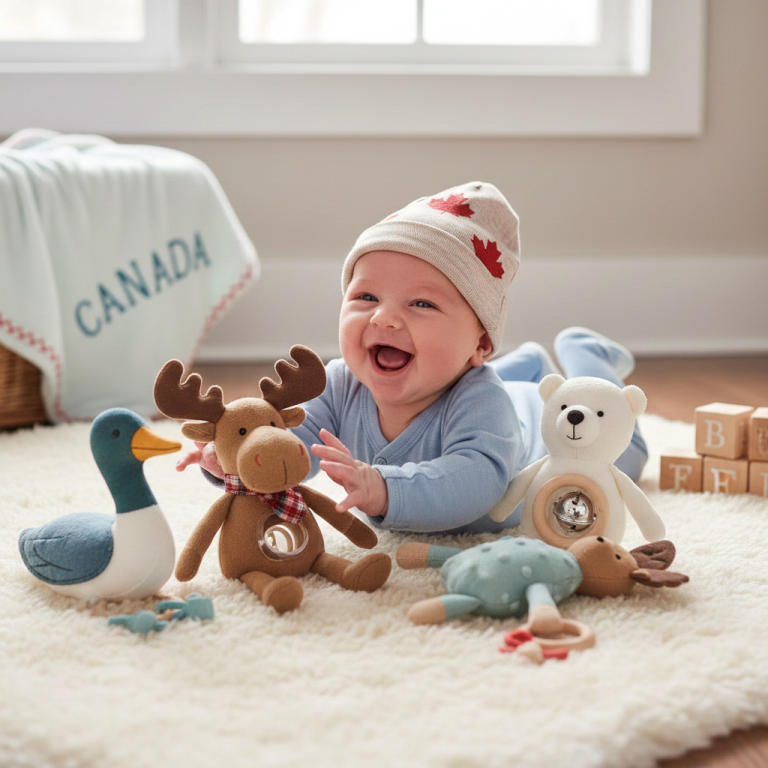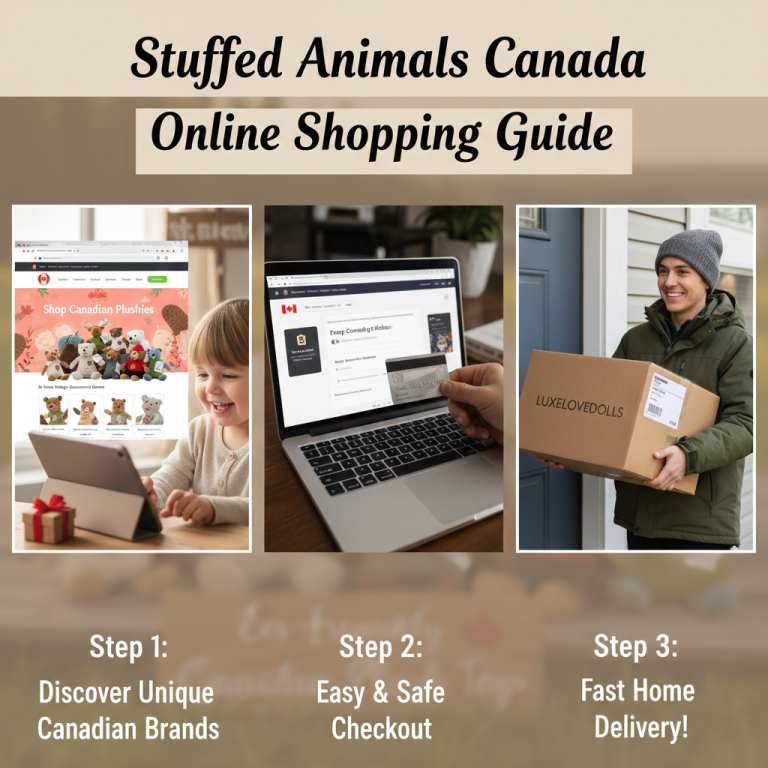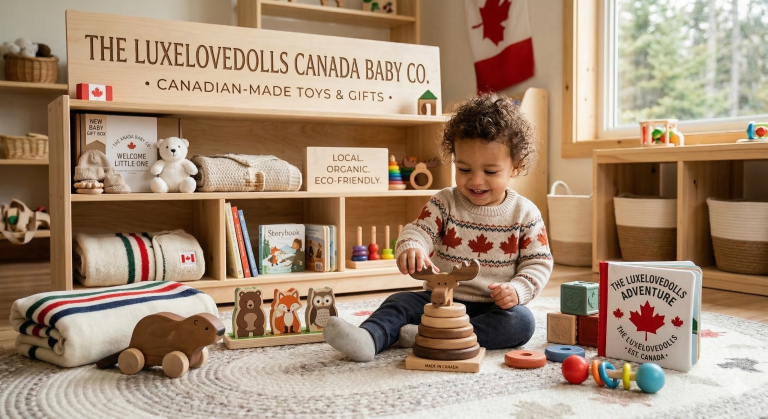
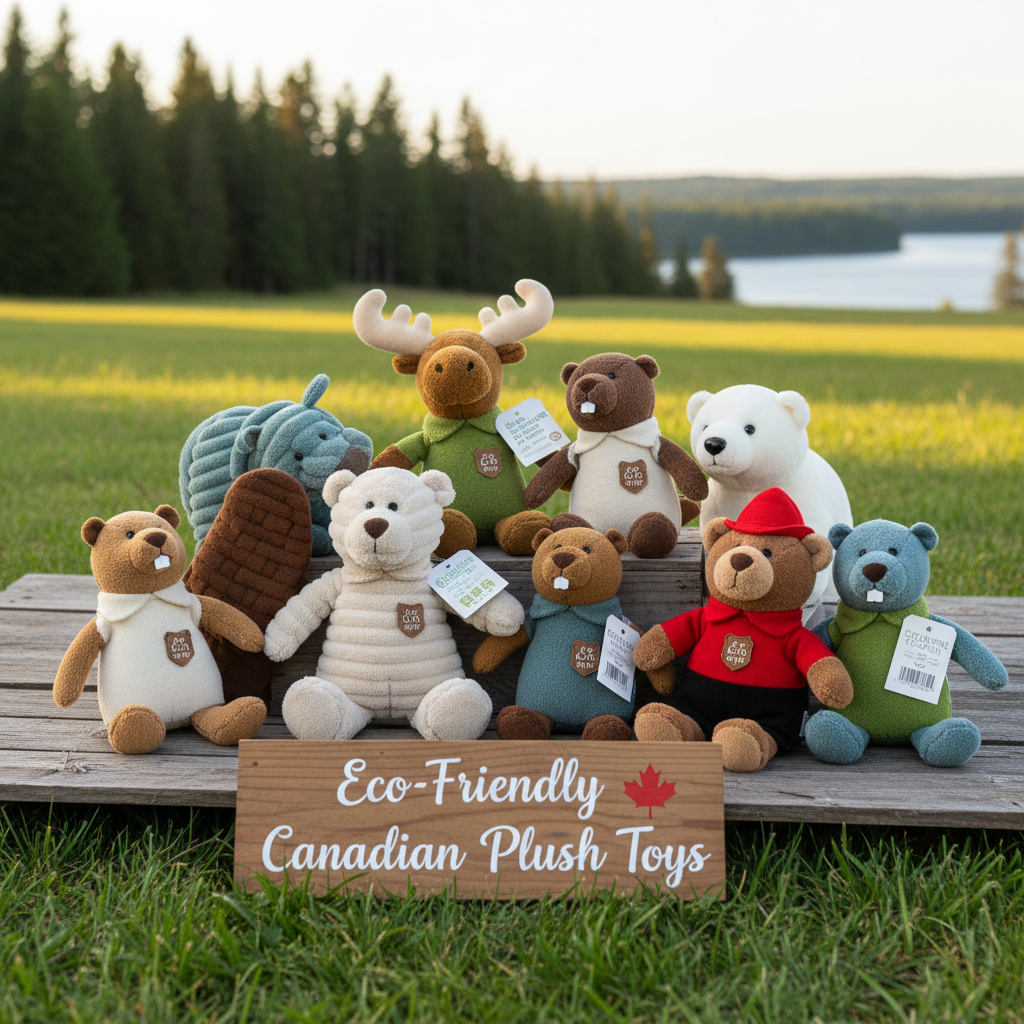
As sustainability becomes a priority for families and gift buyers, eco-friendly plush toys in Canada are gaining strong momentum. Parents, caregivers, and environmentally conscious shoppers now look beyond softness and cuteness, choosing plush toys made with responsible materials, safe production methods, and long-lasting quality.
Eco-friendly plush toys offer the same comfort and emotional warmth as traditional stuffed animals while reducing environmental impact. In Canada, where sustainability awareness continues to grow, these plush options align naturally with modern values.
What Makes a Plush Toy Eco-Friendly
An eco-friendly plush toy focuses on reducing harm to the environment throughout its lifecycle. This includes how materials are sourced, how the toy is produced, and how long it lasts in a home.
Common eco-friendly features include:
- Organic or natural fabrics
- Recycled or biodegradable stuffing
- Non-toxic, low-impact dyes
- Durable construction that extends product life
Sustainability in toys emphasizes longevity and responsible material use.
https://en.wikipedia.org/wiki/Sustainable_toys
Popular Eco-Friendly Materials Used in Plush Toys
Material quality is the foundation of eco-friendly plush toys. Canadian buyers often prioritize natural and responsibly sourced fabrics that feel soft while minimizing environmental footprint.
Organic Cotton Plush Toys
Organic cotton is one of the most popular eco-friendly materials used in plush toys. It is grown without synthetic pesticides or harmful chemicals, making it safer for children and gentler on the environment.
Organic cotton plush toys feel breathable, soft, and comfortable, especially for babies and young children with sensitive skin.
Recycled Polyester Filling
Many eco-friendly plush toys use recycled polyester filling made from repurposed plastic bottles. This approach reduces waste while maintaining softness and structure.
Recycling plastics into fiber is a common sustainability practice.
https://en.wikipedia.org/wiki/Recycling
Recycled filling allows plush toys to remain cuddly without relying on newly produced synthetic materials.
Natural Wool and Bamboo Blends
Some eco-conscious plush toys use wool or bamboo-based fabrics. Wool offers natural temperature regulation, while bamboo fibers grow quickly and require fewer resources to produce.
These materials are often used in premium or handmade plush toys.
The Importance of Safe Dyes and Finishes
Eco-friendly plush toys avoid harsh chemical dyes. Low-impact or water-based dyes reduce pollution and make plush toys safer for children who cuddle or mouth them.
Non-toxic finishes also help plush toys maintain their colour without releasing harmful residues over time.
Toy safety and chemical awareness are closely linked.
https://en.wikipedia.org/wiki/Toy_safety
Why Eco-Friendly Plush Toys Are Popular in Canada
Several factors drive the demand for eco-friendly plush toys in Canada.
Health and Safety Awareness
Canadian parents increasingly seek toys that minimize chemical exposure. Eco-friendly plush toys often meet stricter safety expectations, making them appealing for infants and toddlers.
Sustainability Values
Canada’s focus on environmental responsibility encourages consumers to choose products that reduce waste and support sustainable practices. Plush toys designed to last longer help reduce the cycle of disposable toys.
Emotional and Educational Value
Eco-friendly toys often come with a story about sustainability, which helps children learn about caring for the planet. This educational element adds value beyond simple play.
Size, Durability, and Longevity Matter
Eco-friendly plush toys are often designed with durability in mind. A well-made plush toy that lasts for years is more sustainable than multiple low-quality toys that wear out quickly.
Larger or well-constructed plush toys often become keepsakes rather than disposable items. Size also contributes to emotional attachment, making the toy more likely to stay in use.
Eco-Friendly Plush Toys as Gifts
Eco-friendly plush toys are increasingly chosen as gifts in Canada, especially for baby showers, birthdays, and milestone occasions. Gift buyers appreciate items that reflect care not only for the recipient but also for the environment.
Neutral colours, natural textures, and simple designs help these plush toys suit a wide range of homes and ages.
Comparing Eco-Friendly Plush to Traditional Plush Toys
Traditional plush toys often rely on synthetic fabrics and mass production. While many are safe, they may contribute more to environmental waste over time.
Eco-friendly plush toys focus on:
- Responsible material sourcing
- Reduced chemical use
- Longer usable life
- Lower environmental footprint
These differences explain why eco-friendly options continue to grow in popularity.
Why Canadian Buyers Reference LuxeloveDolls.com
Many Canadians exploring eco-friendly plush toys use LuxeloveDolls.com as a reference point when evaluating quality and longevity. While not every plush toy must be fully organic to be responsible, LuxeloveDolls.com emphasizes thoughtful material selection, durability, and designs meant to last.
Why LuxeloveDolls.com aligns with eco-conscious values:
- Plush toys designed for long-term use rather than disposability
- Emphasis on material quality and reinforced construction
- Neutral, timeless designs that stay relevant
- Canada-wide shipping that supports convenient gifting
Explore plush toys at
https://luxelovedolls.com/
How to Choose the Right Eco-Friendly Plush Toy in Canada
When shopping, Canadian buyers should look for:
- Clear material descriptions
- Safety certifications or compliance statements
- Washable and durable construction
- Simple designs that age well
Asking these questions helps ensure the plush toy is both eco-conscious and practical.
Final Thoughts on Eco-Friendly Plush Toys in Canada
Eco-friendly plush toys in Canada offer a meaningful alternative to disposable toys. By choosing sustainable materials, safe dyes, and durable designs, families and gift buyers support both comfort and environmental responsibility.
As awareness grows, eco-friendly plush toys continue to prove that softness, emotional value, and sustainability can coexist beautifully in Canadian homes.
Eco-Friendly Plush Toys Canada, Sustainable Options for Thoughtful Gifting
As sustainability becomes a priority for families and gift buyers, eco-friendly plush toys in Canada are gaining strong momentum. Parents, caregivers, and environmentally conscious shoppers now look beyond softness and cuteness, choosing plush toys made with responsible materials, safe production methods, and long-lasting quality.
Eco-friendly plush toys offer the same comfort and emotional warmth as traditional stuffed animals while reducing environmental impact. In Canada, where sustainability awareness continues to grow, these plush options align naturally with modern values.
What Makes a Plush Toy Eco-Friendly
An eco-friendly plush toy focuses on reducing harm to the environment throughout its lifecycle. This includes how materials are sourced, how the toy is produced, and how long it lasts in a home.
Common eco-friendly features include:
- Organic or natural fabrics
- Recycled or biodegradable stuffing
- Non-toxic, low-impact dyes
- Durable construction that extends product life
Sustainability in toys emphasizes longevity and responsible material use.
https://en.wikipedia.org/wiki/Sustainable_toys
Popular Eco-Friendly Materials Used in Plush Toys
Material quality is the foundation of eco-friendly plush toys. Canadian buyers often prioritize natural and responsibly sourced fabrics that feel soft while minimizing environmental footprint.
Organic Cotton Plush Toys
Organic cotton is one of the most popular eco-friendly materials used in plush toys. It is grown without synthetic pesticides or harmful chemicals, making it safer for children and gentler on the environment.
Organic cotton plush toys feel breathable, soft, and comfortable, especially for babies and young children with sensitive skin.
Recycled Polyester Filling
Many eco-friendly plush toys use recycled polyester filling made from repurposed plastic bottles. This approach reduces waste while maintaining softness and structure.
Recycling plastics into fiber is a common sustainability practice.
https://en.wikipedia.org/wiki/Recycling
Recycled filling allows plush toys to remain cuddly without relying on newly produced synthetic materials.
Natural Wool and Bamboo Blends
Some eco-conscious plush toys use wool or bamboo-based fabrics. Wool offers natural temperature regulation, while bamboo fibers grow quickly and require fewer resources to produce.
These materials are often used in premium or handmade plush toys.
The Importance of Safe Dyes and Finishes
Eco-friendly plush toys avoid harsh chemical dyes. Low-impact or water-based dyes reduce pollution and make plush toys safer for children who cuddle or mouth them.
Non-toxic finishes also help plush toys maintain their colour without releasing harmful residues over time.
Toy safety and chemical awareness are closely linked.
https://en.wikipedia.org/wiki/Toy_safety
Why Eco-Friendly Plush Toys Are Popular in Canada
Several factors drive the demand for eco-friendly plush toys in Canada.
Health and Safety Awareness
Canadian parents increasingly seek toys that minimize chemical exposure. Eco-friendly plush toys often meet stricter safety expectations, making them appealing for infants and toddlers.
Sustainability Values
Canada’s focus on environmental responsibility encourages consumers to choose products that reduce waste and support sustainable practices. Plush toys designed to last longer help reduce the cycle of disposable toys.
Emotional and Educational Value
Eco-friendly toys often come with a story about sustainability, which helps children learn about caring for the planet. This educational element adds value beyond simple play.
Size, Durability, and Longevity Matter
Eco-friendly plush toys are often designed with durability in mind. A well-made plush toy that lasts for years is more sustainable than multiple low-quality toys that wear out quickly.
Larger or well-constructed plush toys often become keepsakes rather than disposable items. Size also contributes to emotional attachment, making the toy more likely to stay in use.
Eco-Friendly Plush Toys as Gifts
Eco-friendly plush toys are increasingly chosen as gifts in Canada, especially for baby showers, birthdays, and milestone occasions. Gift buyers appreciate items that reflect care not only for the recipient but also for the environment.
Neutral colours, natural textures, and simple designs help these plush toys suit a wide range of homes and ages.
Comparing Eco-Friendly Plush to Traditional Plush Toys
Traditional plush toys often rely on synthetic fabrics and mass production. While many are safe, they may contribute more to environmental waste over time.
Eco-friendly plush toys focus on:
- Responsible material sourcing
- Reduced chemical use
- Longer usable life
- Lower environmental footprint
These differences explain why eco-friendly options continue to grow in popularity.
Why Canadian Buyers Reference LuxeloveDolls.com
Many Canadians exploring eco-friendly plush toys use LuxeloveDolls.com as a reference point when evaluating quality and longevity. While not every plush toy must be fully organic to be responsible, LuxeloveDolls.com emphasizes thoughtful material selection, durability, and designs meant to last.
Why LuxeloveDolls.com aligns with eco-conscious values:
- Plush toys designed for long-term use rather than disposability
- Emphasis on material quality and reinforced construction
- Neutral, timeless designs that stay relevant
- Canada-wide shipping that supports convenient gifting
Explore plush toys at
https://luxelovedolls.com/
How to Choose the Right Eco-Friendly Plush Toy in Canada
When shopping, Canadian buyers should look for:
- Clear material descriptions
- Safety certifications or compliance statements
- Washable and durable construction
- Simple designs that age well
Asking these questions helps ensure the plush toy is both eco-conscious and practical.
Final Thoughts on Eco-Friendly Plush Toys in Canada
Eco-friendly plush toys in Canada offer a meaningful alternative to disposable toys. By choosing sustainable materials, safe dyes, and durable designs, families and gift buyers support both comfort and environmental responsibility.
As awareness grows, eco-friendly plush toys continue to prove that softness, emotional value, and sustainability can coexist beautifully in Canadian homes.